Creditinfo Lithuania included immunization levels into its list of corporate indicators

After the Department of Statistics launched publication of immunization levels in specific companies, credit office Creditinfo Lithuania immediately included this indicator into its corporate reports. From now on, clients ordering detailed information about a selected company will be able to see the proportion of immunized staff.
“The inclusion of immunization indicator into corporate reports will facilitate a better risk analysis of potential disruptions of activities due to staff illnesses which will help a business partner, or a client make further business decisions”, Aurimas Kačinskas, CEO of Creditinfo Lithuania said.
The first ever publication of immunization levels has demonstrated that, e.g., the largest share of immunized staff (80%) work for the IT sector, and the least immunized staff (as little as 27%) work for transportation companies. In comparison, as many as 80% of Creditinfo Lithuania staff have already been vaccinated.
Moreover, the official information published by the Department of Statistics will soon enable comparison of the share of immunized staff in one enterprise with counterpart organizations in the same business sector. To this end, an additional indicator is published as well – the so-called percentile. For instance, if an enterprise’s percentile is 100, it means that it is among one percent of companies with the highest immunization level. The lower the percentile, the fewer employees have immunity, i.e., have been vaccinated with at least one doze or have recovered from the coronavirus.
According to the Department of Statistics, for the purpose of confidentiality the percentage of immunization is indicated only for those workplaces with over 10 members of staff.
“We believe that monitoring these indicators contributes to the national fight against the Covid-19 pandemic, encouraging companies to take a more proactive approach with regard to staff vaccination”, A. Kačinskas said adding that “we always try to include new indicators into our reports in a timely manner so that our clients could benefit from exhaustive information about other companies”.
As of last May, Creditinfo Lithuania included into the list of monitored indicators information about average gender pay, and soon is planning to introduce yet another one – the sustainability indicator.
TOP 1000: Lithuanian leaders demonstrated outstanding resilience

In Lithuania, Creditinfo actively cooperates with business media, providing diverse analytical information in the form of various sectoral reviews and highlighting trends in the key business performance indicators. Every year the main business media channel, the Verslo žinios (Business News), publishes a list of TOP 1,000 largest Lithuanian companies reflecting on the changes that took place over the last year.
In July, the Verslo žinios published its latest update of TOP 1,000 list of business companies compiled based on Creditinfo’s data and corporate financial statements filed in 2020. Luckily, a positive trend can be seen: as many as 59 percent of companies saw their income grow over the last year, which was stimulated also by decision of the global leaders aiming at economic recovery.
At the courtesy of the Verslo žinios editorial staff we are publishing a part of the exhaustive publication; the link to the original article is provided at the end of the text.
—————————————————————————————————————————————————
Published on 16 July 2021.
- The Verslo žinios presents the latest update of TOP 1,000 list of Lithuanian companies.
- Major businesses have successfully adjusted to the new reality.
- Business leaders generated 24.7% more pre-tax income in 2020 than before the pandemic.
- According to Creditinfo’s data, one third of TOP 1,000 companies reduced the likelihood of delayed payments.
- Biotechnological company UAB “Thermo Fisher Scientific Baltics” skyrocketed to the third position on the list.
Contrary to the gloomy pandemic predictions, the pre-tax income of the 1,000 largest Lithuanian companies in 2020 grew by a quarter. Although some of the major corporations were hit really hard by COVID-19, a substantial proportion of them rose up to the challenge transforming themselves and reporting unexpected returns.
These trends are reflected in the TOP 1,000 list of the largest Lithuanian companies drawn jointly by the Verslo žinios and Creditinfo based on income data for 2020. The list includes companies which filed their financial statements in time, i.e., by 31 May, with the Centre of Registers (CR).
Income plummeted against growing profit
Traditionally, the TOP 1,000 list is dominated by companies from three economic sectors, such as: wholesale and retail (381 company), manufacturing (263 companies), transportation and storage (136 companies). All these taken together account for more than three fourths of all the companies on the list.
Almost 500 of businesses are located in Vilnius county, another third operates in Kaunas and Klaipėda counties (223 and 107 companies, respectively). The list includes 76 companies with fewer than 10 employees.
Last year 1,000 of the largest Lithuanian companies generated EUR 51.3 bln. income, i.e., 1.3% less than in 2019. However, in aggregate, these companies earned EUR 3.3 bln. of pre-tax profit, which is an increase of 24.7% from 2019.
Profit of major companies grew the fastest
The growth of TOP 1,000 companies was far more robust than that of the reminder businesses. According to preliminary estimates of the Department of Statistics, in 2020 in Lithuania non-financial companies generated EUR 96.3 bln. income and EUR 6.7 bln. pre-tax profit: in comparison to 2019, the income shrank by 0.4%, while pre-tax profit grew by 3.9%.
Last year 10 companies passed a symbolic threshold of 0.5 bln. of sales income, five of which are retail or wholesale companies. Thermo Fisher Scientific Baltics, UAB skyrocketed to the third place on the list, reporting EUR 1.26 bln. in turnover.
“Despite the prevailing trend of moderately shrinking income amongst the largest 1,000 Lithuanian companies compared against 2019, and a decreasing number of staff, companies generated almost 25% higher profit before tax. An obvious leader in this category is the biotechnological company Thermo Fisher Scientific Baltics, UAB – a manufacturer of COVID-19 reagents and vaccine components. Its pre-tax profit reached EUR 472.6 mln., thus securing the company the first place among the leading companies in terms of this indicator”, said Jekaterina Rojaka, head of business development and strategy at Creditinfo.
According to Indrė Genytė-Pikčienė, chief economist at INVL Asset Management, UAB, a more rapid profit growth among the top 1,000 companies demonstrates the success of major companies in making the best out of the pandemic situation.
Usually, due to the advantage of scale, large companies have more leverage and freedom of manoeuvre than the smaller ones in the face of unexpected circumstances, when they have to negotiate with creditors, suppliers, and other partners”, she explained.
The original publication may be accessed here: https://vz.lt/finansai-apskaita/2021/07/16/top-1000-lietuvos-verslo-lyderiai-parode-neitiketina-atsparuma
Authors:
Eglė Markevičienė
Jovita Budreikienė
Creditinfo launches SME blended scorecard in Kenya

Credit information leader launches pan-African SME initiative, ahead of global rollout
LONDON, UK, 21st July 2021 – Creditinfo Group, the leading global credit information and decision analytics provider, is today announcing the launch of a scorecard solution tailored for small to medium-sized enterprises (SMEs). Through its unique approach to data and algorithms, this scorecard will help financial institutions improve their credit assessment and facilitate financing to the SME market, which has typically been less able to access finance.
Creditinfo, recognizing the importance of SME risk assessment across the world is aiming to roll out a global solution to address this challenge. The company will first launch the SME scorecard in Kenya, ahead of a wider rollout across countries in Africa, and several other key economies across the globe.
The unique modeling approach Creditinfo have developed significantly reduces, and in some cases eliminates, the human effort needed to assess customers’ risk profile based on credit data. It is delivered in a software platform which unifies, streamlines, automates and centralizes the risk evaluation process. Creditinfo’s SME scorecard is considerably stronger at predicting business failure than existing traditional models.
Burak Kilicoglu, Director of Global Markets at Creditinfo, commented, “SMEs drive innovation and push digitalization forward for many people by providing services to underserved segments of the population and creating job opportunities. SME scorecards will accelerate access to finance for the benefit of whole economic ecosystem. At Creditinfo we have access to a wealth of credit bureau data as a starting point, and so are uniquely positioned to offer this solution in global markets.”
Kamau Kunyiha, CEO of Creditinfo CRB Kenya, added, “Kenya is the most dynamic and receptive market for SME lending innovation, demonstrated by the successful adoption of mobile wallets and microloans. We look forward to seeing the economic impact of this new solution as it comes into full effect and we see more capital flowing through the SME economy.”
-ENDS-
About Creditinfo
Established in 1997 and headquartered in Reykjavík, Iceland, Creditinfo is a provider of credit information and risk management solutions worldwide. As one of the fastest-growing companies in its field, Creditinfo facilitates access to finance, through intelligent information, software and decision analytics solutions.
With more than 30 credit bureaus running today, Creditinfo has the most considerable global presence in this field of credit risk management, with a significantly greater footprint than competitors. For decades it has provided business information, risk management and credit bureau solutions to some of the largest, lenders, governments and central banks globally to increase financial inclusion and generate economic growth by allowing credit access for SMEs and individuals.
For more information, please visit www.creditinfo.com
PR contacts:
Marketing Manager/ PR for East Africa
Phidi Mwatibo
Email: Phidi.mwatibo@creditinfo.com
Increased use of credit bureau data in Lithuania
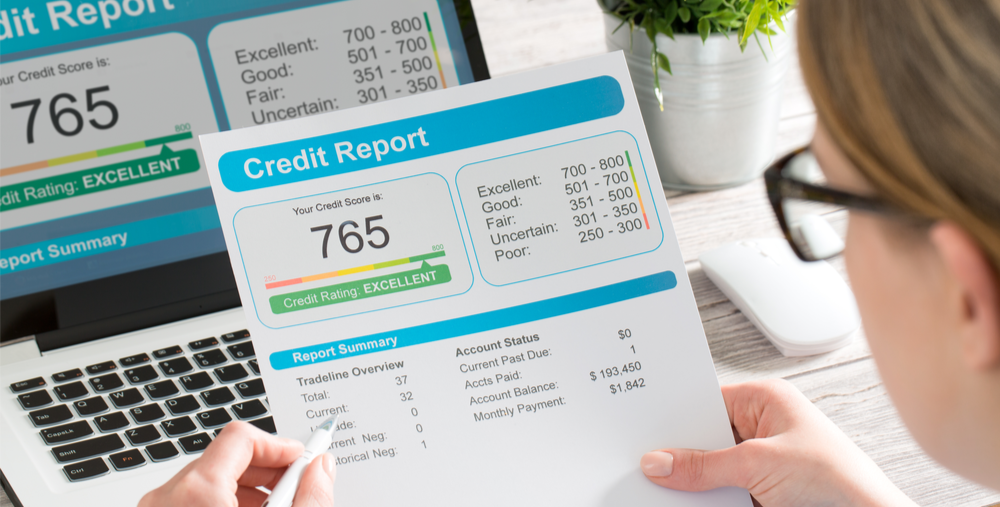
The use of credit bureau data is growing along with economic activity, although businesses tend to undertake additional precautions
The INTRUM EPR 2021 survey published in June reported on the growing demand for pre-payments against a decreasing trend of conventional risk management measures, such as credit history screening, insurance and factoring.
The current situation in the business sector could benefit from some clarifications and comments. In turbulent and uncertain times – and lockdown could rightly be said as being one of these – entrepreneurs tend to undertake additional safeguards, e.g. pre-payments. However, any quantitative easing measures, such as material support offered in the form of soft credits or subsidies, enabled many businesses to maintain their liquidity at least for some time. This is why the corporate performance results were not as devastating as they were during the Great Recession, when manufacturers importing commodities were forced to allocate all of their funds for pre-payments to their suppliers.
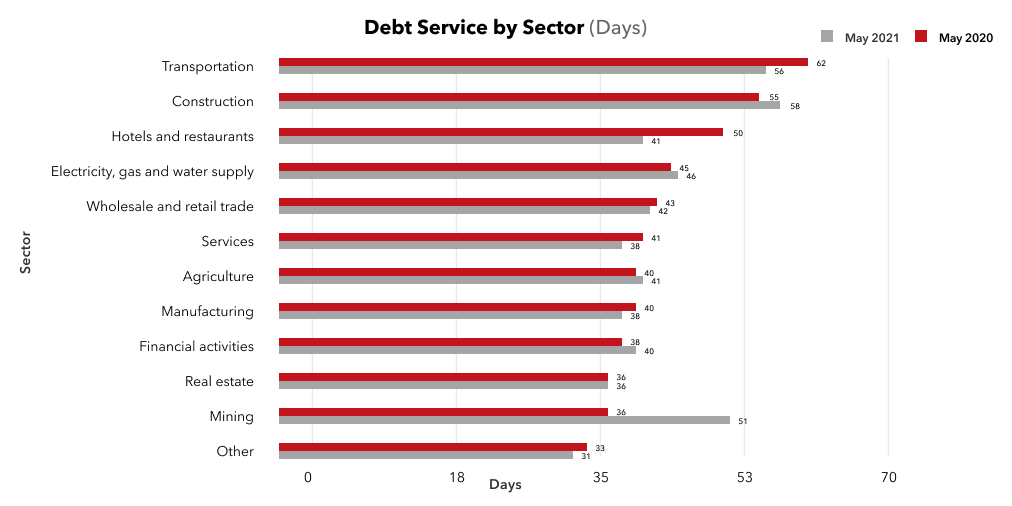
Meanwhile, the statistics demonstrates some late payments to the partners in 2021 in the sector of hospitality industry (by 9 days, from 41 to 50), in transport (from 56 to 62 days), in services (from 38 to 41 days), in processing industry (from 38 to 40 days). In contrast, in the financial operations sector, the payment terms have become shorter.
Quite reasonably, one may wonder what are the reasons behind shorter payment terms – can these be explained by precautions taken by the suppliers or by an improving economic situation?
I would like to draw the attention to the fact that in the times of the pandemic shareholders would recommend public sector representatives tightening payment gaps to enable the business sector to improve liquidity in the private sector. In the private sector the medium-term payment gaps were affected by a more resilient economic structure, as businesses suffering from liquidity shortage made only a fraction of all businesses.
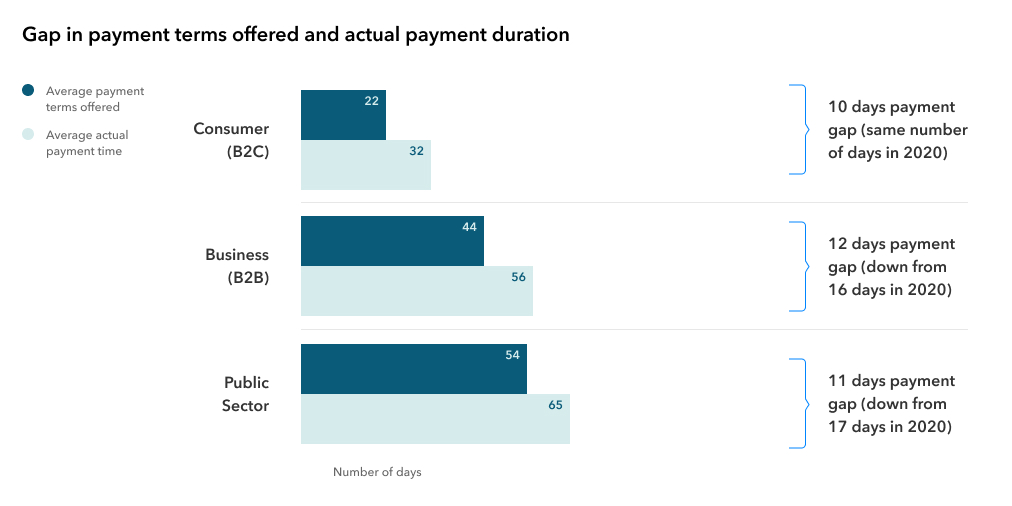
Moreover, account needs to be taken of the fact that as many as 60 percent of companies responding to the INTRUM survey in Lithuania admitted anticipating recession in contrast to economic forecasts showing a clear recovery.
Lithuanian business market is rather optimistic: the economic evaluation index in Lithuania has already reached its pre-pandemic level (116 vs. 110), this indicator was higher only in 2007 on the eve of the Great Recession. In addition, all sectors last May demonstrated a growing confidence index. Commercial confidence index grew by 9 percentage points, while in the service, industry, and construction sectors it grew by 7, 4, and 1 percentage points, respectively. Only the consumer confidence index dropped by 3 percentage points.
In parallel, a rapid growth in the real estate prices and demand is being reported along with the signs of growth in the prices of commodities and inflation. All these factors may signal the approaching peak in an economic cycle, which explains the lingering anxiety about a possible recession due to the phasing-out of economic stimulus measures.
One of the most popular support measures – tax deferrals – are drawing to an end: default interests and tax recovery procedures will not be calculated until 31 August 2021 and for two subsequent months; one may expect to see a more realistic state of business health towards the end of the year.
Nevertheless, the following conclusion has to be drawn as a comment on the use of credit office information systems by the organizations: the number of inquiries recently has been changing along with the economic activity – within the first 5 months the number of inquiries increased by 12 percent compared to 2020 year-on-year, and by as many as 25 percent compared to 2019 year-on-year.
Jekaterina Rojaka,
Head of Business Development and Strategy,
Creditinfo Lithuania.
The ‘Cornwall Consensus’ – A Credit Bureau Perspective
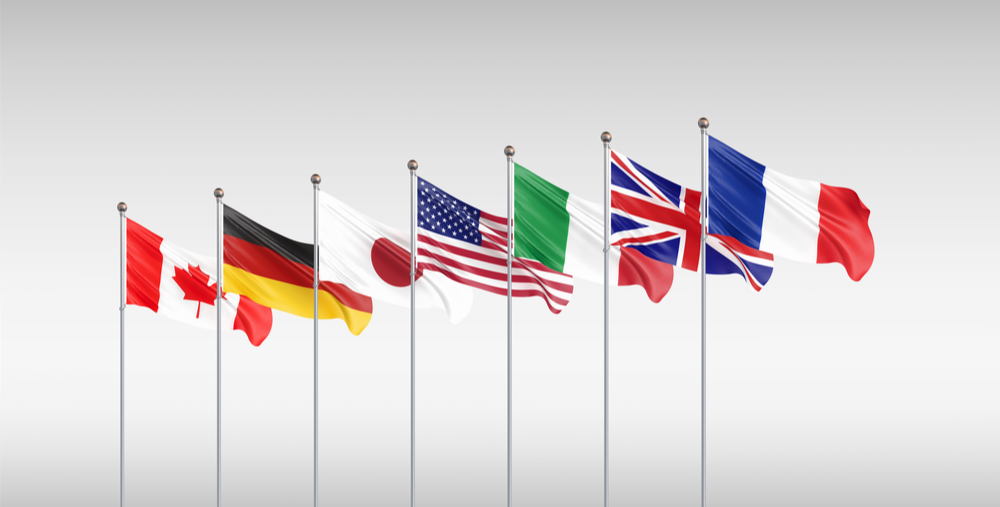
From a credit bureau perspective, a close partnership between government and business has always been essential to ensure the economic goals of a country are achieved. It was therefore interesting to see this relationship being promoted as part of the ‘Cornwall Consensus’ last week at G7.
Gillian Tett of the Financial Times was discussing this concept in a recent article which considered the ‘profound, reset under way of the relationship between business and government.’ Tett describes the change by which ‘companies were regarded as independent actors competing with one another, without state involvement,’ to a relationship which would result in more of a ‘“partnership” between government and business.’
From a credit bureau perspective, this is a familiar concept and one that has been central to the proliferation of bureaus across the globe over the last 15 years. It has been very successful in ensuring that emerging markets have the necessary financial infrastructure to support the growth of MSMEs and SMEs, to provide banking stability and deliver access to regulated financial services for all rather than it just being the reserve of the wealthy middle classes.
Private international investment is at the heart of this partnership with government by creating a sturdy financial infrastructure and sharing technical knowledge with local institutions. This is closely overseen and regulated by the governments and central banks with further support given by the World Bank. Creditinfo has been one of the leading global experts that has made significant investments in setting up new credit bureaus in green field markets under the regulation of local central banks.
The support of governments has been critical to accelerate access to finance for the “invisible” unbanked by introducing regulation to require the inclusion of “alternative data” such as utility data and mobile or nano loans. The benefit of this is that it enables a broad section of the population to create a financial footprint upon which they can build a credit history for the future. This was further endorsed by recent research from the PERC group.
The relationships between businesses and governments should see the development of new solutions to support SME and MSME growth as companies of this size are the backbone of many economies, especially in developing markets. Government departments will often have registers of companies which can be used in supervised environments to facilitate improved assessment of loans or credit making it faster and easier for SMEs to access financial support.
Government-investor partnerships may be seem like new vision emerging from the pandemic when state support was essential, however, for investors like Creditinfo that have been working within such a framework for many years, it is a proven method to achieve social, economic and business goals.
Creditinfo analysis reveals Lithuanian textile industry severely hit by the pandemic

According to Creditinfo Lietuva, the textile industry of Lithuania is among the business areas which was hit by the pandemic extremely hard. In some sectors of the textile industry, the revenue is 30% below where it was before the pandemic, clothing manufacturers lost 11.7% and leather companies 31% of their employees. 17% of clothes making companies and 15% of textile manufacturers have been given high or very high bankruptcy risk scores.
“Textile industry, an extremely important business sector in Lithuania, is facing unprecedented challenges all over the world. Together with services, tourism and catering, the textile business has been suffering from a severe hit the consequences of which will persist for many more months to come”, says Aurimas Kačinskas, General Manager at Creditinfo Lietuva. “Unfortunately, there is little room for optimism in the immediate future of the sector, which means we‘ll have to keep business partners of the sector under a magnifying glass for quite some time”.
Further Downfall by 30% is Forecast if Global Lockdown Continues
A few days ago, “Coface” published its latest analysis of the global economy, where the economic forecast was downgraded only for the Central and Eastern Europe textile sector, while the textile industry itself, like global textile, was moved from high risk to the very high risk category. It means that no recovery or return to the pre-covid level is expected in textile industry until the end of the year. According to “Coface”, in the best-case scenario the decline of the textile industry will come to a halt at the end of the year, provided there are no new lockdowns introduced globally. If the countries worldwide continue imposing movement and social contact restrictions, this year will only see a further shrinking of the textile industry down to 30 percent of its volume in 2020, the year of hardship.
According to Statistic Department of Lithuania, the textile industry of Lithuania is made up of companies engaged in clothes making, textile manufacturing, leather processing and leather manufacturing businesses.
Employment at Leather Companies Plunged by 31 per-cent
According to Creditinfo, 949 companies reported textile-related activities as their core business last spring; there are 942 of such companies this year. Although the difference is slim, the true impact of the pandemic is revealed by the employment statistics. For instance, over the period of one year the number of employees at the clothes making companies dropped from 15,142 to 13,364 (11.7 per cent), and from 684 down to 472 (31 percent) at leather processing and leather manufacturing companies
Analysis conducted by Creditinfo revealed the revenue of textile manufacturing companies shrunk by 3.1 percent (from EUR 470.4 million to 455.8 million) compared with their revenue in 2019. The same trend was observed at the cloth making companies, where the revenue dropped by 19.9 percent from EUR 457.1 million down to 365.9 million, and leather processing and leather manufacturing companies with revenue going down by 30.2 percent from EUR 23.1 million to 16.2 million.
“We noticed that small and medium sized textile companies suffered the most, while large companies still had orders to fulfil”, says the CEO of the credit bureau. “Yet it is rather likely that the further shrinking textile market this year will reduce the number of orders for the large companies, too. It means that even more employees will be forced out of their jobs in the sector”.
1/6th of Companies with High and Very High-Risk Scores
According to the credit bureau, about 17% of cloth making companies and 15% of textile manufacturers currently are ranked as high bankruptcy risk companies.
“Earlier, the textile business was growing for quite some time, and so did the creditworthiness of the companies. Currently, the risk scores of textile companies brought them in line with problem sectors such as construction and transport”, Kačinskas explains.
Moreover, experts of the credit bureau noted, that only 25 percent of the companies in the textile industry submitted their financial statements for 2020. “It seems that only companies applying for subsidies or other pandemic-related reliefs submitted their financial statements as they were required to get the subsidies”, says Kačinskas. “We call upon all companies to declare their financial situation in time, as it will enable all market players to make more objective assessment of the textile sector, and help business partners to make more accurate decisions”.
For more information, please contact:
Aurimas Kačinskas, General Manager, Creditinfo Lietuva
Email: aurimas.kacinskas@creditinfo.lt
Tel: +37061810110
Creditinfo Group enters collaboration with Společnost pro Informační Databáze (SID) in Czech Republic

Czech Republic, Prague, April 22nd 2021- Creditinfo Group, the leading global credit information and decision analytics provider, and Společnost pro informační databáze (SID), service provider of SOLUS Credit bureau, have agreed to partner in the areas of data transformation, decisioning engines, data analytics and scorecards development. The agreed partnership enables SID to use the global credit risk management expertise of Creditinfo Group as well as its solutions and analytical capabilities to better service members of SOLUS Credit bureau, one of the two largest credit bureaus in the Czech market.
“We are proud to have been chosen by SID as it’s partner for members of the SOLUS credit bureau and are looking forward to leverage our global experience as well as presence of our group IT development, global data analytics, and consultancy centre in Prague for Czech banks and financial services players, members of the SOLUS credit bureau” says Seth Marks, Regional Director of Creditinfo Group.
“With Creditinfo Group we materially strengthen our portfolio of software, decisioning and analytical solutions available for both SOLUS members and for the wider Czech financial sector. Connecting its global experience with our strong local presence in the Czech market enables our existing and new customers to further increase efficiency and including improved credit risk decisioning speed, says Ján Hurný, CEO of SID.
– Ends-
About Creditinfo
Established in 1997 and headquartered in London, UK, Creditinfo is a provider of credit information and risk management solutions worldwide. As one of the fastest-growing companies in its field, Creditinfo facilitates access to finance, through intelligent information, software and decision analytics solutions.
With more than 30 credit bureaus running today, Creditinfo has the most considerable global presence in this field of credit risk management, with a significantly greater footprint than competitors. For decades it has provided business information, risk management and credit bureau solutions to some of the largest, lenders, governments and central banks globally to increase financial inclusion and generate economic growth by allowing credit access for SMEs and individuals.
For more information, please visit www.creditinfo.com
About SID
SID is an exclusive service partner and facilitator of SOLUS credit bureau, one of the two largest credit bureaus in the Czech Republic with more than 50 members from banks and financial services. SID enables efficient data exchange among bureau members thus strengthening their insights and decisioning capabilities. More information are available on www.sid.cz and www.solus.cz
Creditinfo Group Awarded World Bank Tender

São Tomé and Príncipe, São Tomé, 19th, April 2021 – Creditinfo Group, the leading global credit information and decision analytics provider, today announces that it was awarded a tender by the Central Bank of São Tomé – represented by AFAP (Agencia Fiduciaria de Administracao de Projectos) who will be handling a project on the delivery and support of Public Credit Registry, financed by the World Bank.
Sao Tome is working with the World Bank with the aim of improving the financial infrastructure in the market, increase access to finance and enhance market stability. Creditinfo has already supported many markets in achieving this goal and was identified as a trusted and reliable partner.
Creditinfo will provide CBS (Credit Bureau Solutions), including Value-Added Products such as the Statistical Score, MyCreditinfo, Benchmarking and Monitoring – the latest and modern cutting-edge products and services in the credit industry, to help the Central Bank of São Tomé in implementing the Public Credit Registry.
Samúel Ásgeir White, Director of Direct Markets, Creditinfo Group is excited about this opportunity. “The important part is the knowledge transfer and our active approach – direct help to the Central Bank of São Tomé, with the whole implementation process of our modern services in São Tomé and Príncipe, since we have years of experience from the Central Banks around the world that we provide the same products and services to,” he said.
The competition was organized by AFAP as a fiduciary agency responsible for the management of the World Bank’s financial support, in favor of the Central Bank of São Tomé and Príncipe as a borrower, with Creditinfo being elected as winner, among 4 bidders.
On behalf of AFAP, Carlos Bonfim, technical advisor, intervened to congratulate on the conclusion of the contract with Creditinfo, a company whose references allow the prospect of a satisfactory result regarding the updating of the credit risk center of the Central Bank of São Tomé and Príncipe. He ended by expressing the wish that the quality of the partnership between all stakeholders will continue, in order to create a favorable cooperation climate for the implementation of the project.
-Ends-
About Creditinfo
Established in 1997 and headquartered in London, UK, Creditinfo is a provider of credit information and risk management solutions worldwide. As one of the fastest-growing companies in its field, Creditinfo facilitates access to finance, through intelligent information, software and decision analytics solutions.
With more than 30 credit bureaus running today, Creditinfo has the most considerable global presence in this field of credit risk management, with a significantly greater footprint than competitors. For decades it has provided business information, risk management and credit bureau solutions to some of the largest, lenders, governments and central banks globally to increase financial inclusion and generate economic growth by allowing credit access for SMEs and individuals.
For more information, please visit www.creditinfo.com
About AFAP
AFAP was created in 2004 with the aim of managing funds made available by the technical and financial partners of the Government of São Tomé and Príncipe, of which the World Bank stands out in particular. It has an effective and motivated team and is respectful of the best practices for regulating tenders, and today has a portfolio of projects and partners in constant growth. Within the framework of its performance, the main projects such as the installation of fiber optics in Sao Tome Principe to provide high-speed internet services, education and health for all, improvement of the energy system can be cited as an example of success. electricity, namely hydrocentrals, introduction of alternative energies as well as rehabilitation of main roads, etc.
For more information, the following AFAP website can be viewed: www.afap.st
Creditinfo Group becomes majority shareholder of Kredītinformācijas Birojs (KIB)

LONDON, UK, March 25th, 2021 – Today, Creditinfo Group – the leading global credit information and decision analytics provider – announced that is has increased its stake in JSC “Kredītinformācijas Birojs” (KIB) to 51%, becoming the majority shareholder.
Earlier this month, the US private equity fund Levine Leichtman Capital Partners (LLCP) became the majority shareholder of Creditinfo Group. As the result of that transaction, the share capital of the KIB joint stock company was increased, with ABLV Bank selling its shares.
The other shareholders of the company, including the leading Latvian commercial banks; AS Swedbank, AS SEB banka, AS Luminor Bank, and AS Citadele banka will remain unchanged and will continue to support KIB by serving on the Supervisory Board of the joint stock company.
Jānis Timmermanis, Chairman of the Board of KIB: “This investment is an important confirmation of the company’s potential to continue to grow despite being a relatively young entity and offer lenders throughout the Baltic region modern solutions with scoring and decision capabilities while also enabling prevention of money laundering.”
Brynja Baldursdóttir, Director of Global Markets Creditinfo Nordics: “This announcement marks a significant milestone for Creditinfo and consolidates our presence in the Baltics as a leader in providing Decision-as-a-service solutions – a key component of the Credit Bureau system. With international knowledge and local market support, Creditinfo solutions are setting a high bar wherever they are implemented.”
KIB was founded in May 2013 and is the first licensed credit information bureau in Latvia. KIB helps banks and financial institutions to manage credit risk and apply best practices in risk management and credit operations. Its activities in the field of data processing are licensed and supervised by the State Data Inspectorate.
Ends.
About Creditinfo
Founded in 1997 and headquartered in Reykjavik, Iceland, Creditinfo is a global provider of credit information and risk management solutions. As one of the fastest growing companies in its field, Creditinfo facilitates access to finance through intelligent information, software and analysis solutions.
With more than 33 credit bureaus today, Creditinfo has the largest presence in credit risk management worldwide, with significantly greater influence than competitors. For decades, it has provided business information, risk management and credit bureau solutions to major lenders, governments and central banks around the world to increase financial inclusion and create economic growth by giving SMEs and individuals access to credit.
Media Contact:
Matt Silver
Babel Agency for Creditinfo Group creditinfo@babelpr.com
+44 (0)7769 266 452
More needs to be done to achieve gender parity
Independent analysis done by Creditinfo using its vast data assets showed that gender balance in the workplace is far from being achieved. Companies need to keep this top of mind when it comes to creating leadership opportunities for women as the world moves towards closing the gap on gender parity.
Analysis by Creditinfo Iceland showed that last year, women were only appointed CEOs in a quarter of new hires in Iceland. Women accounted for 25% of new hires for the position of CEO, although this was an improvement on the 20% average over the last five years. Today, women hold around 18% of the CEO positions in the 6,000 active companies, but only about 13% of them are CEOs of the 1,000 higher-turnover companies.
The FKA (Women’s Association in Business) in Iceland, has a set a goal in their “Gender Balance Scale” project that by 2027 the gender ratio will be at least 40/60 in the executive boards in Iceland. The project was established in 2017 and has helped to promote diversity and balance through greater gender equality in management positions.
If we look at the rate of change of last 10 years, it is clear that the goal will not be achieved until 2061. If the share of women in CEO positions is to reach 40% before then, the proportion of women in new hires should be between 58% and 70% by 2027. The analysis also highlights an interesting statistic; a woman is more likely to take over the CEO position if her predecessor was also a woman. That is some food for thought for the gentlemen!
Brynja Baldursdóttir, Managing Director of Creditinfo Iceland has clear views on how to drive change, she says “Given the current proportion of women in new hires, it is clear that the goal of women being at least 40% of CEOs In Iceland by 2027 will not be achieved. It may be more encouraging to focus on raising the proportion of women in new employment to at least 50% in all sectors by 2027. Managers can thus make an immediate impact and help tip the scales.”
In Lithuania gender equality still seems a remote concept according to an analysis recently conducted by Creditinfo Lithuania. At the beginning of March 2021, there were almost 100,000 company managers in Lithuania, of these, only 30% were women. Probably unsurprising the biggest gap is in the construction, manufacturing, mining and quarrying, transport and agriculture sectors. Whereas the smallest gap is in the services, hotel and restaurant businesses. Men start managing companies at just a slightly younger age than women: the average age of female managers is 47 years, and male – 46 years of age. According to the data, a total of 98,127 people worked in the position of corporate managers in Lithuania at the beginning of March, out of which 30% were women, showing the sorry state of affairs.
It is often believed that more women than men are employed in trade, but businesses in this sector are almost three times more likely to be managed by men: 27% women and 73% men.
“Although there is a bias in historically male employee dominated industries the female employee dominated industries are still majority led by males, so the logic does not hold. Across all industries the focus must be on executive management selection on merit alone,” says Jekaterina Rojaka, Creditinfo Lithunaia‘s COO.
According to a report done by the United Nations, women remain significantly underrepresented in all aspects of decision-making, and violence against women in public life is widespread. The attitude that women should not have public roles, enduring norms about gender roles and legal discrimination compound these challenges and devalue women’s contributions to decision-making, threatening sustainable development. The report recommends that in order reach equality in participation and decision-making in public life, it is necessary to implement international and national commitments and norms, including through temporary special measures, create more enabling environments and institutional systems, reduce violence against women in political life and strengthen the voices of women, who face multiple forms of discrimination.
According to another report by the UN Women, women are at the forefront of the battle against COVID-19, as front-line and health sector workers, as scientists, doctors and caregivers, yet they get paid 11 per cent less globally than their male counterparts. An analysis of COVID-19 task teams from 87 countries found only 3.5 per cent of them had gender parity. As a result, this year’s International Women’s Day is a rallying cry for Generation Equality, to act for an equal future for all.
Creditinfo Group
Creditinfo has a rich diversity of talent within the company. In each of our offices we have a mix of nationalities, genders, ages, cultures, sexual orientation, education among others. These differences within the Creditinfo enable the company to thrive and help us to embrace our company values of respect, innovation and no nonsense and ultimately, we create greater trust, internally and with our clients.
We strive to achieve a balance of genders within each of our 30+ markets, however we still see today a lower number of female applicants for certain roles during the recruitment process, often IT and analytical roles, which limits our options when hiring. Globally, we have 34% females and 66% male, and those percentages are also mirrored in management positions worldwide with approximately 63% male and 37% female.
With focus on International Women’s Day, we asked the Group HR & Operations Support at Creditinfo Group for her views on closing in on the gender gap.
“International Women’s Day has given us an opportunity to celebrate the achievements of women worldwide and to also give thought to those women who are not so fortunate. I consider myself lucky to have worked for companies throughout my career that largely support women’s equality, Creditinfo being one of those, where we celebrate and recognize efforts by the women in our company. Recently, our General Manager from Ukraine, Kateryna Danylchenko was recognized as one of the top-50 most influential women of Ukrainian Fintech and these are among some of the achievements we are always proud of. It’d be great to see a more equal split since women’s full and effective participation and leadership in of all areas of life drives progress for everyone”, states Emma Camilleri, Group HR & Operations Support at Creditinfo Group.
#GenerationEquality #IWD2021